

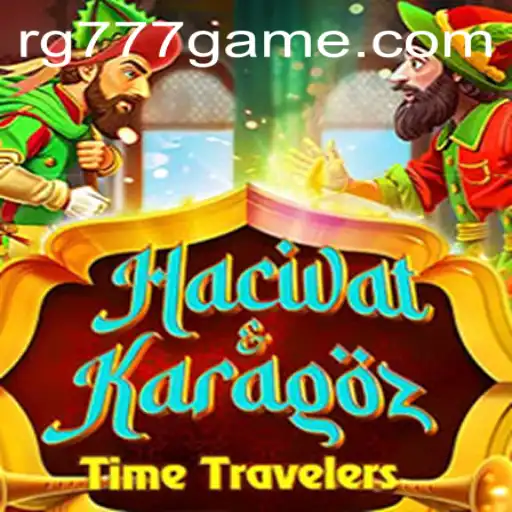
Discover the traditional shadow play of HacivatandKaragoz, its historical roots, gameplay rules, and its modern-day relevance.
HacivatandKaragoz: A Glimpse into the Traditional Shadow Play
In the vibrant tapestry of cultural traditions across the world, the art of shadow play holds a unique place. Among these, the traditional Turkish shadow theater known as HacivatandKaragoz finds its rooting in rich folklore and mesmerizing puppetry. This captivating performance art has been a mainstay in Turkish cultural heritage, captivating audiences with its humorous storytelling and artistic presentation for centuries.
The Origins of HacivatandKaragoz
Tracing back to the Ottoman Empire, the legend of Hacivat and Karagoz tells the tale of two characters who are believed to have worked in the construction of a mosque. Known for their humorous exchanges and witty wordplay, they became immortalized in the shadow puppetry that takes their names. Over the years, the stories of Hacivat, the educated and articulate one, and Karagoz, the straightforward, albeit bumbling counterpart, have been passed down through generations, providing entertainment as well as social commentary.
Understanding the Game of HacivatandKaragoz
Classic shadow plays, particularly HacivatandKaragoz, are performed using flat, jointed puppets known as 'tasvir' made of translucent animal hides. The puppeteer, called 'hayali', skillfully manipulates these figures against a canvas screen illuminated from behind, creating silhouettes that dance to the rhythm of storytelling.
The game of HacivatandKaragoz transcends simple entertainment, evolving into a medium of narrative that blends humor with satirical elements to reflect on societal norms. Each performance typically begins with a prologue known as the 'giris', often delivered by Hacivat, setting the stage for the comedic and dramatic events to follow.
Core Rules and Themes of the Performance
The performances hinge on a few core rules that include the interaction between the two main characters and other supporting figures introduced as the narrative unfolds. Generally, the themes revolve around topical social issues, love stories, or historical adventures, embedded within the dialogue and songs delivered by the characters.
One of the key aspects of the performance is improvisation, allowing puppeteers to adapt their stories based on current events, making each show unique and relevant. The puppeteers engage the audience with humor and clever wit, transforming everyday situations into poignant stories.
The Role of Technology and RG777.COM in Modern Adaptations
In recent times, the traditional art form has evolved, influenced by technological advancements and the global accessibility provided by the internet. Platforms such as RG777.COM have become instrumental in keeping the essence of HacivatandKaragoz alive while introducing it to newer, digital audiences.
Through online streaming services and interactive web experiences, such platforms expand the reach of HacivatandKaragoz beyond regional boundaries, opening channels for global appreciation. Live recordings, virtual performances, and even interactive shadow play games allow enthusiasts to delve into this rich art form from anywhere in the world.
HacivatandKaragoz: A Bridge to Cultural Insights
More than just entertainment, the shadow play of HacivatandKaragoz serves as a bridge to understanding cultural nuances and historical societal norms. It allows contemporary audiences to observe how humor and art were used to critique and reflect on the times in a sophisticated yet engaging manner.
With globalization and the rise of digital consumerism, initiatives to preserve such traditional art forms are crucial. Platforms like RG777.COM showcase how modern technology can coexist with traditional arts, ensuring the stories of Hacivat and Karagoz continue to be cherished by future generations.



0 Comments